
September 26, 2026
10 min read
Brazilian Lymphatic Drainage in Geneva: Benefits and Sessions
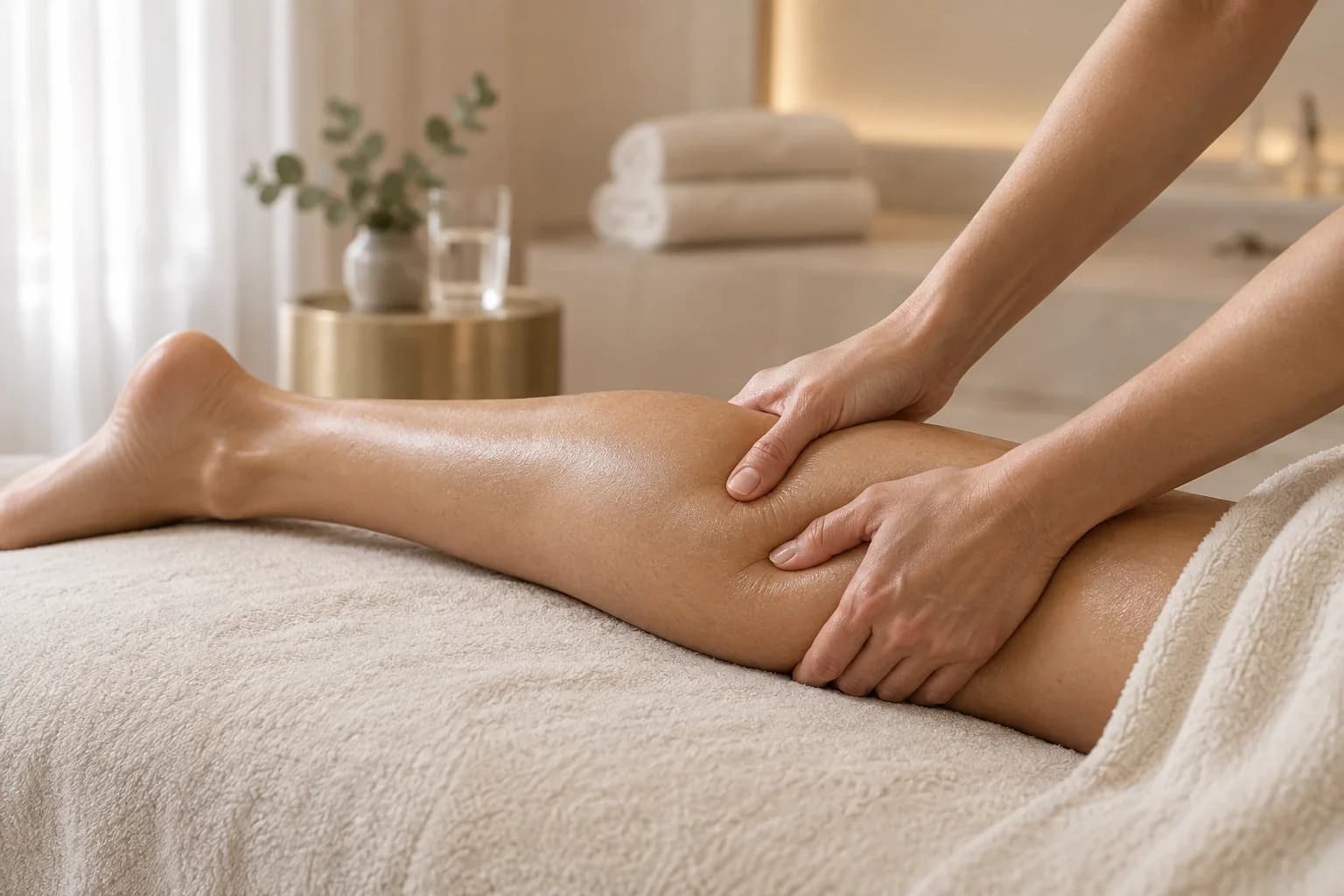
Water retention after a long week at the desk, legs that feel like lead after a flight into Geneva Airport, a stomach that seems more bloated in the evening than in the morning: these are some of the most common reasons people start searching for Brazilian lymphatic drainage in Geneva. The treatment has become popular because it combines the gentle logic of classic lymphatic work with a firmer, faster and more sculpting rhythm.
This guide explains what the lymphatic system actually does, how the Brazilian method differs from traditional manual lymphatic drainage, who it suits, who should avoid it, what happens during a session and how to plan a course of treatments. It is written to help you decide calmly, not to promise miracles.
What the lymphatic system does
The lymphatic system is a network of vessels and nodes that runs alongside your blood circulation. Its role is to collect the fluid that seeps out of the blood capillaries into the tissues, filter it through the lymph nodes and return it to the bloodstream. It also plays a part in the body's immune defences.
Unlike the blood, which is pushed around by the heart, lymph has no central pump. It moves thanks to:
- the contraction of the muscles around the vessels (walking is a natural lymphatic pump),
- breathing, especially deep diaphragmatic breathing,
- small contractions of the lymphatic vessels themselves,
- external pressure, such as massage or movement.
When we sit for hours, travel, sleep badly, eat a lot of salt, or go through hormonal changes during the cycle, fluid can accumulate in the tissues more easily. The result is that familiar feeling of puffiness, heaviness and tightness, most often in the legs, ankles, abdomen and arms.
Why manual work can help
Manual drainage does not "create" new lymphatic function; it supports what is already there. By working in the direction of the lymph nodes, the practitioner encourages fluid to move along its natural pathways. Many clients describe feeling lighter and less swollen afterwards. How pronounced and how lasting that effect is varies from person to person.
Brazilian vs classic manual lymphatic drainage
Classic manual lymphatic drainage, often associated with the Vodder method, uses very light, slow, repetitive pumping movements. It is extremely gentle and is also used in medical settings under the supervision of a physiotherapist.
The Brazilian method keeps the principle of directing fluid toward the lymph nodes, but it changes the pace and the pressure. As the salon's service page describes it, the technique combines firm pressure with fast, rhythmic movements, with the aim of delivering an immediate sensation of lightness and a more defined silhouette.
| Classic manual drainage | Brazilian lymphatic drainage | |
|---|---|---|
| Pressure | Very light, superficial | Firm and dynamic |
| Rhythm | Slow, repetitive | Fast, rhythmic |
| Main goal | Moving lymph gently | Moving fluid and sculpting the contours |
| Feel during the session | Very relaxing, almost hypnotic | Energising, more "active" |
| Typical areas | Whole body, often medical indications | Abdomen, legs and arms |
| Context | Wellness and medical (physiotherapy) | Aesthetic and wellness |
Neither is "better" in absolute terms. If you are recovering from surgery or have a diagnosed medical condition, a medically supervised drainage is the right starting point. If your goal is aesthetic, such as a flatter feeling stomach, lighter legs or a toned look before an event, the Brazilian approach is often what people are looking for.
Is it painful?
The movements are firm and energetic, but the treatment is generally comfortable and many clients find it very pleasant. Your practitioner adapts the pressure to your sensitivity, so tell her if anything feels too intense.
Benefits: what you can realistically expect
Here is what the Brazilian lymphatic drainage at Beauty Art Pro is designed to help with, in honest terms.
- Water retention. By encouraging fluid to move toward the nodes, the massage can reduce the feeling of puffiness in the legs, ankles and abdomen.
- Heavy legs. After long days standing or sitting, many clients describe a clear sensation of lightness after a session.
- Bloating. Work on the abdomen, combined with a quiet lying-down position and breathing, often leaves the stomach feeling flatter and more comfortable.
- Post-travel recovery. Long-haul flights, train journeys and car trips keep the legs still for hours. A session after travel is a popular way to "reset".
- Skin texture and contours. The dynamic manoeuvres activate circulation, which can make skin look smoother and the silhouette more defined. It does not remove fat and is not a weight-loss treatment.
- Well-being. Beyond the physical effect, many people simply enjoy an hour of focused care and a feeling of lightness.
A visible "sculpted" effect is often noticed after the first session, but it is partly linked to fluid moving and is therefore temporary. Lasting results come from a series of sessions combined with healthy habits.
Who should avoid it: contraindications
Because the Brazilian technique is firm and stimulates circulation, it is not for everyone. According to the salon's own guidance, it is not recommended if you have:
- an acute infection or fever,
- severe heart problems,
- recent thrombosis (blood clot) or suspected thrombosis.
Pregnant clients should consult their doctor before booking. As a general precaution, also speak to your doctor first if you have kidney problems, uncontrolled high blood pressure, an active cancer or recent cancer treatment, a recent operation, varicose veins, skin inflammation or wounds in the treated area, or if you are unsure about any medical condition.
Lymphatic drainage is a wellness and aesthetic treatment. It does not replace medical care, and a practitioner cannot diagnose why you retain water. If swelling appears suddenly, affects one leg only, or comes with pain, redness or shortness of breath, see a doctor rather than a salon.
Your Sanctuary Awaits
Ready to Experience the Art?
“Secure your appointment today and join our community of elegant women in Geneva.”
A session step by step
Every appointment is tailored to your anatomy and your goals, but a typical session in our Geneva salon follows this path.
1. Short consultation
You will talk about what brings you in (heavy legs, bloating, a pre-event boost), your health history and any contraindications. This is the moment to mention medication, pregnancy, recent surgery or circulation issues.
2. Preparation
You lie comfortably on the treatment table, covered and warm. Only the area being treated is uncovered.
3. Opening the pathways
The practitioner usually starts near the main lymph node areas to prepare the pathways before working on the areas where fluid tends to collect.
4. Dynamic work on the target areas
This is the heart of the Brazilian technique: fast, firm, rhythmic manoeuvres on the abdomen, legs and arms, always directed toward the nodes, with sculpting gestures that follow the shape of the muscles.
5. Finishing and advice
You get up slowly, drink some water and receive a few tips for the following hours. Many clients notice they need to go to the toilet more often afterwards, which is normal.
How long is a session?
The salon offers two formats: 30 minutes (CHF 80) for a targeted area and one hour (CHF 150) for a more complete treatment. Current rates are always listed on the service prices page.
Planning a course of sessions
You will usually feel lighter after one session. For more lasting contouring results, the salon recommends a series of 5 to 10 sessions, one to two times per week. Your practitioner will adjust this to your body and goals at the first appointment.
| Phase | Frequency | Typical focus |
|---|---|---|
| First session | Once | Consultation, first sensation of lightness, assess how your body responds |
| Intensive phase (weeks 1–3) | 1–2 sessions per week | Reducing puffiness, working on the priority areas |
| Consolidation (weeks 4–6) | About 1 session per week | Stabilising the result, adding complementary treatments if useful |
| Maintenance | As needed, for example before an event or after travel | Keeping the feeling of lightness |
If you have a specific date in mind, such as a wedding, a holiday or a photo shoot, start your series a few weeks before and schedule one session close to the event.
Pairing with maderotherapy
Maderotherapy uses shaped wooden tools (rollers, cups and paddles) to massage the body. It is often chosen by people who want to work more specifically on the look of cellulite and skin firmness.
The two treatments complement each other well:
- Lymphatic drainage focuses on moving fluid and creating a feeling of lightness.
- Maderotherapy works more mechanically on the tissues and the surface of the skin.
Some clients alternate the two within the same week, others start with a few drainage sessions and then introduce maderotherapy. Which combination suits you depends on your skin, sensitivity and goals, so ask during your consultation rather than booking both on the same day without advice.
Lifestyle tips to prolong your results
What you do between appointments makes a real difference to how long the effect lasts. None of these tips is complicated.
- Drink water regularly throughout the day, especially on treatment days.
- Walk. Every step activates the calf muscle pump. A brisk walk along the lake is ideal.
- Watch the salt. Very salty meals, ready meals and aperitif snacks encourage water retention.
- Elevate your legs for a few minutes in the evening.
- Breathe deeply. A few minutes of slow abdominal breathing helps lymph circulation.
- Move on long journeys. On a plane or train, stand up, walk the aisle and flex your ankles regularly.
- Avoid very hot baths and saunas right after a session unless your practitioner says otherwise.
- Sleep and stress. Poor sleep and chronic stress also affect how bloated you feel.
Reading your body
Keep a simple note of how you feel after each session and across your cycle. This helps you and your practitioner spot patterns and plan sessions at the moments when you need them most.
Why choose Beauty Art Pro in Geneva
Beauty Art Pro is a premium salon at Rue Neuve-du-Molard 19, in the heart of Geneva, a few minutes from the lake and the shopping streets. Each drainage session is adapted to your anatomy, with the focus on the abdomen, legs and arms described on our Brazilian lymphatic drainage page. You can read what other clients say on our reviews page and book online at any time.
The approach is simple: listen first, check that the treatment is right for you, then work with precision. If the Brazilian technique is not suitable for your situation, you will be told honestly.
ART
Brazilian lymphatic drainage price
Conclusion: book your consultation
Brazilian lymphatic drainage in Geneva is a dynamic, sculpting massage that can relieve the feeling of heavy legs, water retention and bloating, and give an immediate sense of lightness. It works best as a series combined with simple daily habits, and it is not suitable for everyone, which is why the first appointment always starts with a conversation about your health.
If you are ready to feel lighter, choose the 30-minute or one-hour format and reserve your slot. You can also browse all treatments on our booking page.
Your Sanctuary Awaits
Ready to Experience the Art?
“Secure your appointment today and join our community of elegant women in Geneva.”